How to Build an Evening Capsule Wardrobe
A small, considered set of evening pieces that all work together, from the first dress to the last pair of shoes, and how to build it slowly.
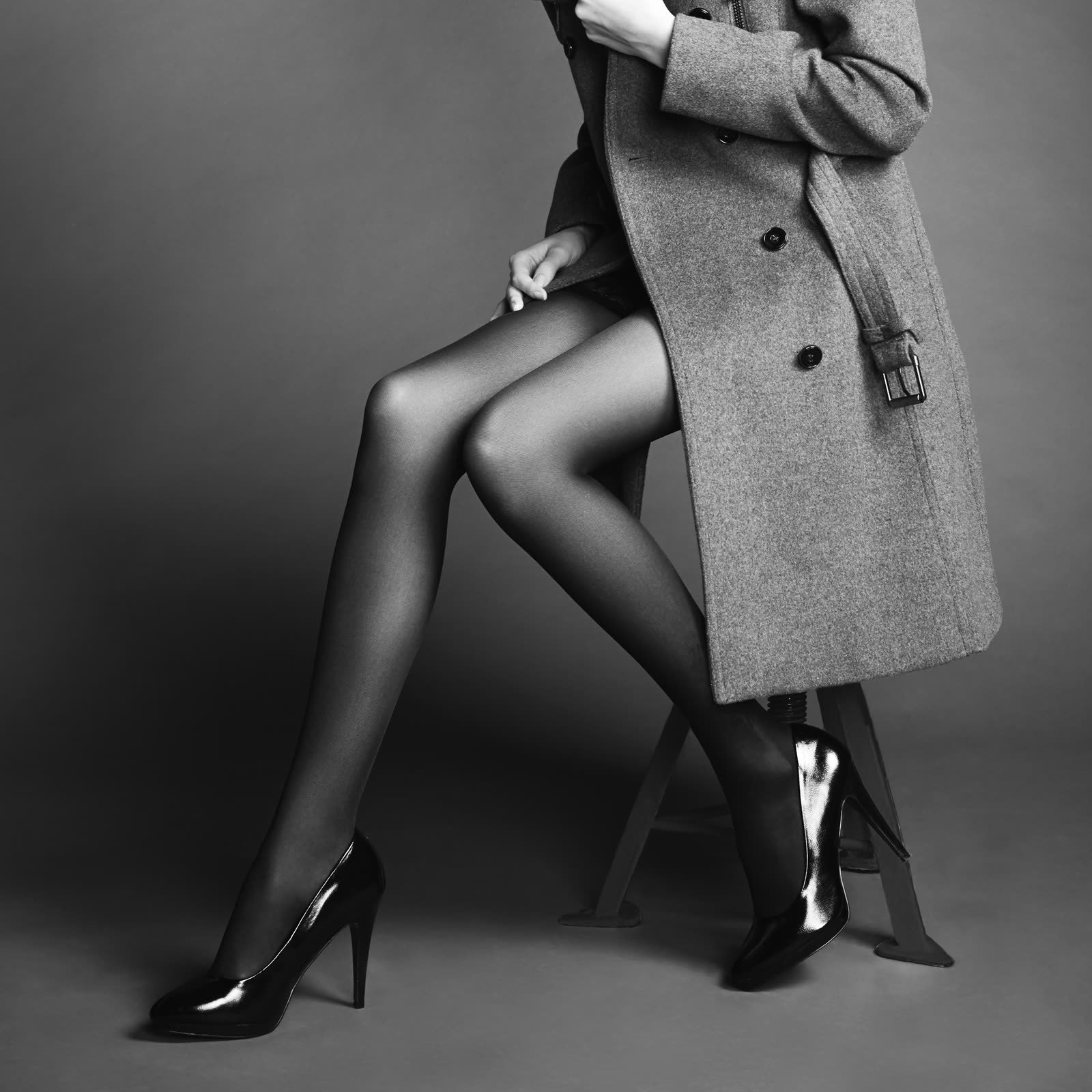
A capsule wardrobe is a small set of clothes chosen so that almost every piece works with every other. For evenings, that means roughly ten to twelve garments in a tight colour palette, built around one dress, one sharp jacket, a few tops, two skirts or trousers, a knit, and shoes and bags that suit all of them.
Done well, an evening capsule wardrobe removes the five-outfits-on-the-bed panic before dinner, the theatre or a party, and it costs less over time than a rail of one-off pieces.
Where the capsule wardrobe came from
The phrase is older than most people think. According to the Wikipedia entry on the term, American publications used it as early as the 1940s, and it was revived in the 1970s by Susie Faux, who ran a West End boutique called Wardrobe. Her idea was a core of well-made essentials, such as skirts, trousers and coats, refreshed with a few seasonal pieces.
In 1985 Donna Karan turned the idea into a collection. Her Seven Easy Pieces, built around a bodysuit, were designed to take a woman from day to night and from office to weekend, as the Donna Karan brand history explains. The list included a tailored jacket, a skirt, trousers, a cashmere jumper, a leather jacket and an evening look.
Go back further still and you find the same thinking in Chanel. The V&A's account of Chanel notes that American Vogue compared her 1926 black crêpe de chine dress to the Ford motor car, and that its ability to move from day into evening was radical at a time when women changed several times a day.
Why an evening capsule wardrobe is different
Most capsule advice is written for office life: navy blazers, white shirts, loafers. Evening dressing asks for something else. The occasions vary more (a supper at a friend's flat, a gallery opening, a wedding reception) and the fabrics are more delicate, so each piece has to do more work.
An evening capsule should therefore be built around three ideas:
- One dominant colour. Black is the obvious choice because it hides wear, flatters most skin tones and looks deliberate. Our guide on how to wear all black covers how to keep it from looking flat.
- Texture instead of print. Lace, crepe, fine knit, satin and wool give variety within one colour.
- Pieces that dress up and down. A jacket that works over jeans and over a slip dress earns its place twice.
Capsule wardrobe essentials for evening
Here is a starting list. You will not need all of them at once, and you should adjust for how often you go out and where.
- A black dress you can wear four ways. Midi or knee length, in crepe or lace. See our little black dress guide for cuts that last.
- A tailored blazer. Slightly strong in the shoulder, long enough to cover the hip. It goes over the dress, a camisole or a knit.
- A sheer or lace top. Worn alone with a good bra or layered under the blazer.
- A camisole or fitted top in ivory. The one light note that keeps black from feeling heavy.
- A fine-gauge knit. Merino or cashmere, crew or V-neck, for colder nights and for softening lace.
- A pleated or bias skirt. Mini or midi, depending on your preference.
- Wide or straight black trousers. In crepe or wool, long enough to brush the top of your shoe.
- A long coat. Single colour, simple lapel, roomy enough for a jacket underneath.
- Two pairs of shoes. A heel or slingback you can walk in, plus a low option such as a pointed flat or a loafer.
- One small bag and one statement earring. Accessories change the mood faster than anything else.
How to choose colours and fabrics
Keep the palette to one base and two accents. Black with ivory and a deep red is easy to mix because ivory brightens the face and burgundy adds warmth without shouting. If black feels harsh on you, swap the base for charcoal or deep navy and follow the same rule.
Fabric matters more than brand. Choose crepe for dresses and trousers because it drapes and resists creasing. Choose lace for one or two pieces only, so the texture stays special. In knitwear, a fine gauge sits neatly under a jacket where a chunky one bunches.
A good test before you buy: can you name three things already in your wardrobe that this piece will go with? If not, leave it.
Building it slowly
A minimalist wardrobe is not built in one shopping trip. Start with the dress, the jacket and the shoes, then wear them for a season and notice what you reach for. Add the next piece to fill a real gap, such as something warmer for winter or something lighter for summer parties.
It helps to think in cost per wear. A well-made jacket worn forty times often costs less per outing than a cheap one worn twice, and our piece on cost per wear shows how to do that maths honestly. When the cold arrives, our list of autumn winter evening wardrobe essentials shows which layers to add.
Keeping the capsule in good condition
A small wardrobe means each piece is worn often, so care matters. Hang tailoring on shaped hangers, fold knits, and give lace and silk room to breathe. Our guide on how to store delicate clothes explains what to hang, what to fold and how to keep moths away.
Rotate pieces so nothing is worn two nights running, and air each item before it goes back in the wardrobe. It sounds fussy, yet it is the reason a good dress still looks good in its fifth year.
At Notte & Noir, the first collection was designed with this kind of wardrobe in mind: black lace, tailoring and knitwear, with ivory and burgundy as the accents. You can read more about our vision and mission, or join the list for launch news.