The Little Black Dress: How to Choose Yours
From Chanel's 1926 design to today, how to choose a little black dress that suits your life, and how to style it for every occasion.
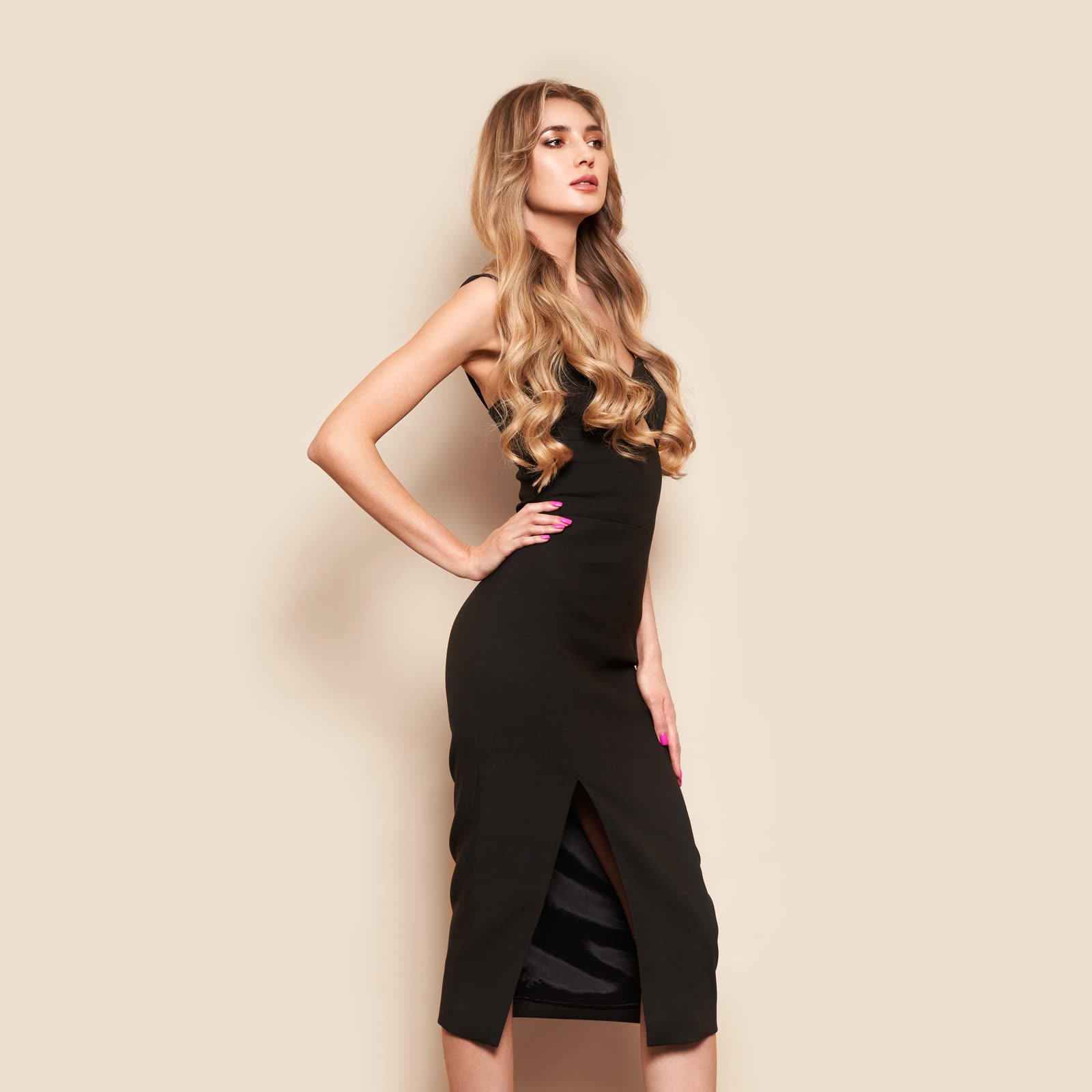
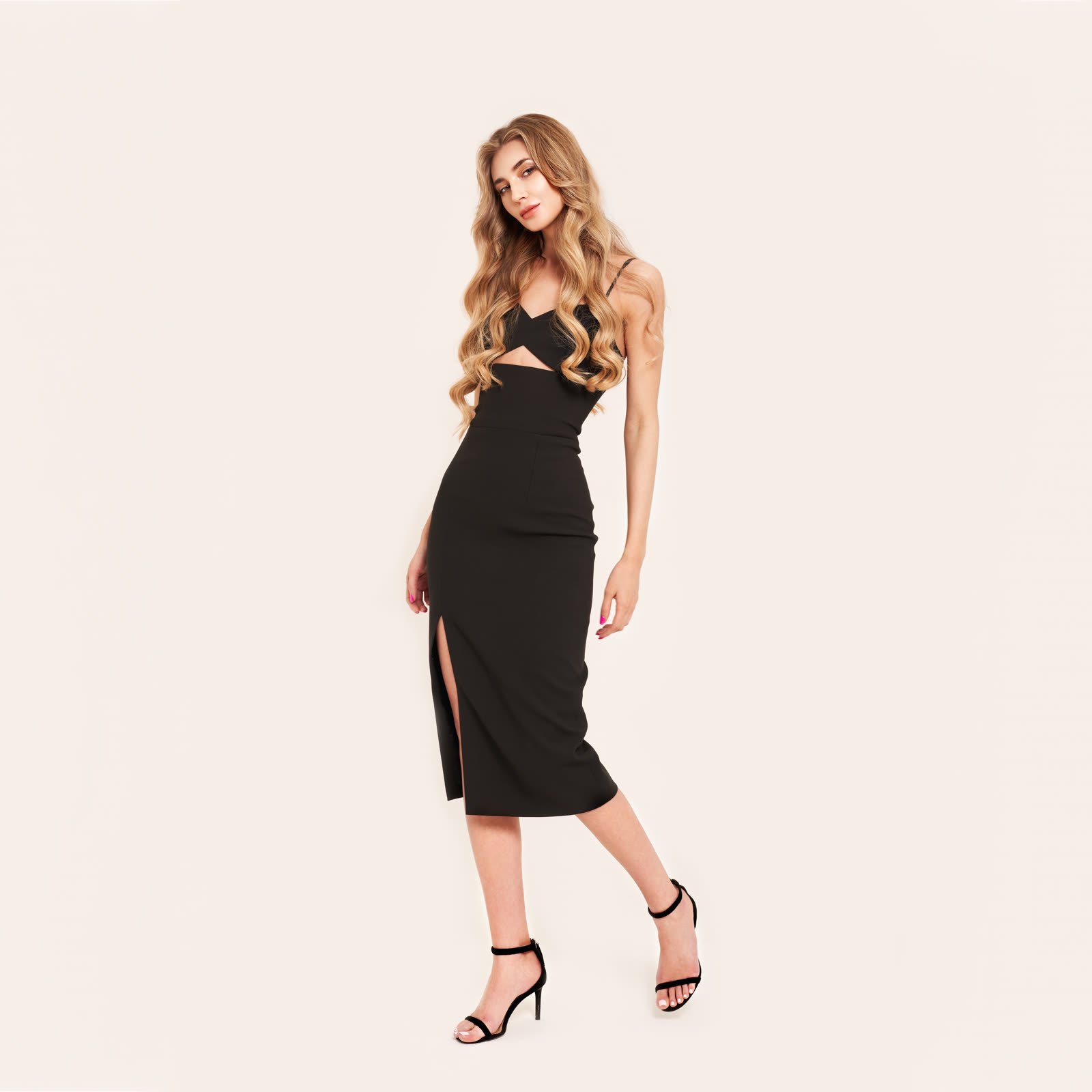
The best little black dress is the one you reach for without thinking: a simple black dress in a good fabric, cut to suit your shape and the life you actually lead. Choose the neckline and length that flatter you, a fabric with enough weight to hang well, and a style plain enough to dress up or down. Get those right and one dress can carry you from office drinks to a wedding reception.
A short history of the little black dress
Black was not always the colour of chic. Through the nineteenth century, as the FIDM Museum explains, wearing black usually signalled something specific, such as mourning, religious piety, poverty or professional authority. It slowly entered fashionable dress towards the end of the century, and Chanel showed a collection made up mostly of black dresses in 1919.
The moment most people remember came in October 1926, when American Vogue published a drawing of a long-sleeved black Chanel dress worn with pearls and a cloche hat. As Smithsonian magazine recounts, the magazine compared it to the Ford Model T: simple, reliable and available to many. By the end of the decade, the little black dress had become a wardrobe essential.
Its most famous film moment followed in 1961, when Hubert de Givenchy dressed Audrey Hepburn in a black sheath for Breakfast at Tiffany's. One version sold at Christie's in London in 2006 for £410,000, according to a contemporary report as a record for a dress from a film.
How to choose the best little black dress for you
The right choice depends on your shape, your life and your taste. Work through these choices in order.
1. Neckline
- Round or boat neck: clean and classic, ideal with earrings or a necklace.
- V-neck: lengthens the neck and suits a fuller bust.
- Sweetheart: romantic and flattering, especially with a fitted bodice.
- Halter: shows off the shoulders and arms, and looks very evening.
- High neck: elegant and modern, beautiful with an open back.
2. Length
A knee-length or just-below-the-knee LBD is the most versatile. A midi feels more modern and works better at formal events. A mini is fun, but harder to wear to weddings, work or dinners with family.
3. Sleeves
Sleeveless is the classic choice and easy to layer under a jacket. Long sleeves make a dress more wearable in winter and feel slightly more formal. Sheer or lace sleeves are a good middle ground.
4. Fabric
Fabric decides whether a black dress looks expensive or flat.
- Crepe: matte, fluid and forgiving. The safest all-rounder.
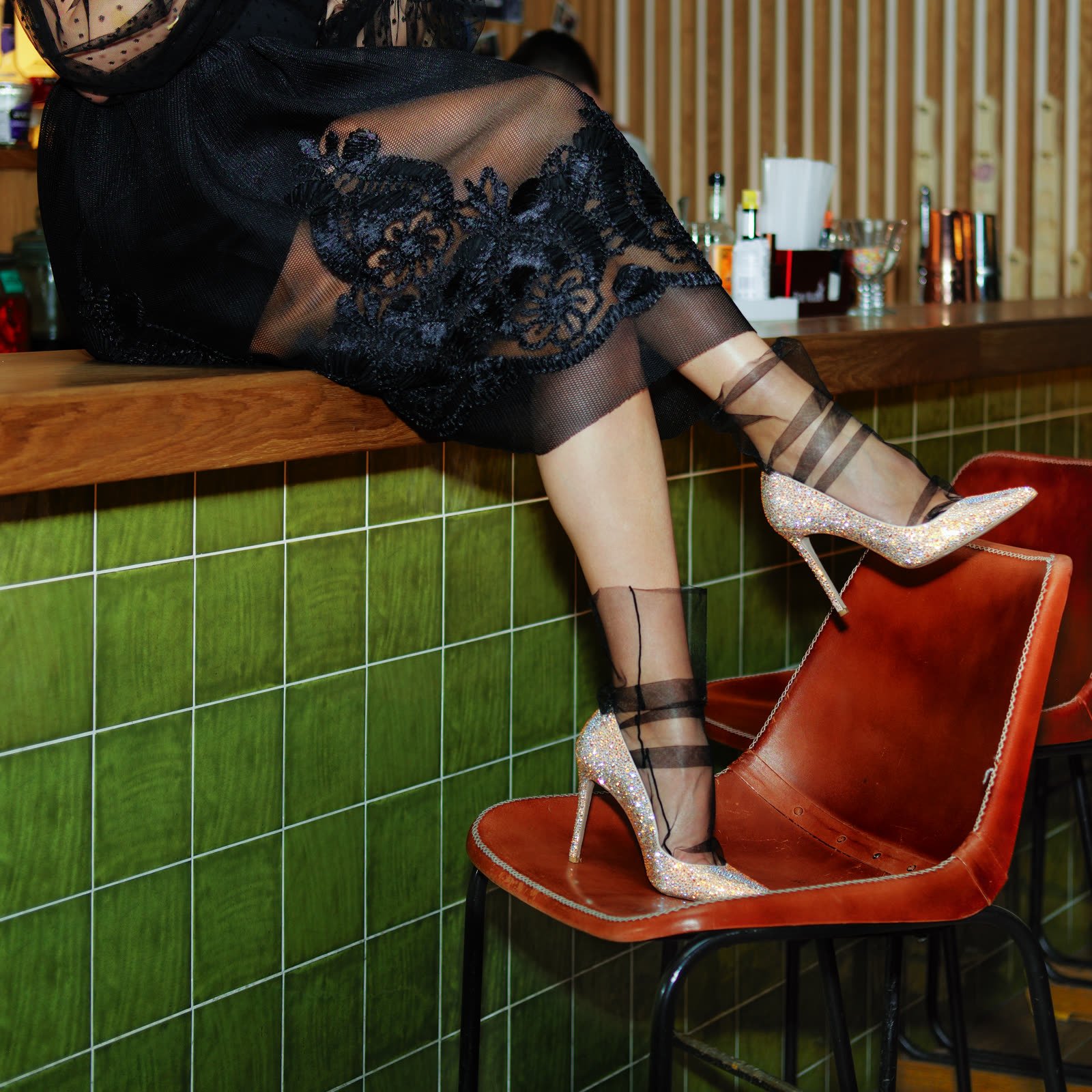
- Lace: romantic and textured, especially over a lining. Our guide to the black lace dress covers how to style it.
- Satin: sheen for evening, though it shows every crease.
- Jersey: comfortable and easy to travel with, if it has enough weight.
- Wool: for a structured, tailored dress in colder months.
Check the dress in daylight. Some blacks look slightly green, blue or brown when the light changes.
5. Fit
Make sure you can sit, raise your arms and walk comfortably. Look for a lining, neat seams and a zip that sits flat. A dress you wear this often needs good construction.
How to style a little black dress
The beauty of the LBD is how much it changes with accessories. Here is how to style a little black dress across a week.
For the office: add a tailored blazer, opaque or sheer black tights and loafers or a low heel. A fine roll-neck underneath turns a sleeveless dress into a winter outfit.
For dinner or a date: pearl or gold earrings, a slim heel and a small bag. Red lipstick is optional and always works.
For a cocktail party: add fine heels, statement jewellery and a satin or velvet clutch. Our guide to cocktail attire for women explains what the dress code expects.
For the weekend: wear it with a chunky knit, ankle boots and a leather jacket.
For a wedding: add colour through shoes, a bag or a wrap, since all-black can feel sombre at a celebration.
If you love the look of black from head to toe, our guide to how to wear all black explains how to mix textures so it never looks flat.
How to make your LBD last
A dress you wear often deserves a little care:
- Check the care label, and hand wash or dry clean as instructed.
- Wash black pieces inside out on a cool, gentle cycle to slow fading.
- Hang structured dresses on padded hangers and fold knit or jersey dresses.
- Use a garment brush or lint roller before wearing.
A romantic take on the classic
If you want a little black dress with a touch of romance, look for lace, a defined waist and one standout detail. A sweetheart neckline with a lace panel and a modest slit, or a lace halter dress for evening, both feel special while remaining easy to wear.
The Sweetheart Lace-Slit Dress and the Lace Halter Gown from Notte & Noir were designed with this balance in mind. You can see them in the first collection, and join the list to hear when it launches.