Types of Lace Explained: Chantilly, Guipure and More
A clear guide to Chantilly, guipure, Alençon, Leavers and more: how each lace is made, how to spot it and how it wears.
The main types of lace divide into three families: needle lace, worked with a needle and thread; bobbin lace, made by twisting threads wound on bobbins; and machine lace, which reproduces both on looms. Within those families, the names you will see most often on labels are Chantilly, Alençon, guipure, Leavers and Cluny, each with its own weight, texture and best use.
How lace is made: the three families
Before getting into individual names, it helps to know how lace is constructed, because the method shapes how a fabric looks and behaves.
Needle lace
Needle lace is built up stitch by stitch with a single needle and thread, usually over a pattern drawn on parchment. FIT's Fashion History Timeline groups Alençon and Venetian point de Venise in this family. It tends to be firm, sculptural and very labour-intensive by hand.
Bobbin lace
Bobbin lace, also called pillow lace, is made by braiding and twisting many threads wound on bobbins, with pins holding the design on a padded pillow. Chantilly is the best-known example. Some bobbin laces are made in one continuous piece; others, such as Honiton and Brussels, are made as separate motifs and joined afterwards.
Machine lace
Machine lace took over in the nineteenth century. FIT notes that machine-made lace was available by 1809, when John Heathcoat's machine is recorded, and that by the early 1900s machine production had become more cost-effective than handwork. The Leavers loom became the standard for fine machine lace, and much of the lace used in fashion today is made this way.
The types of lace you will see most often
Chantilly lace
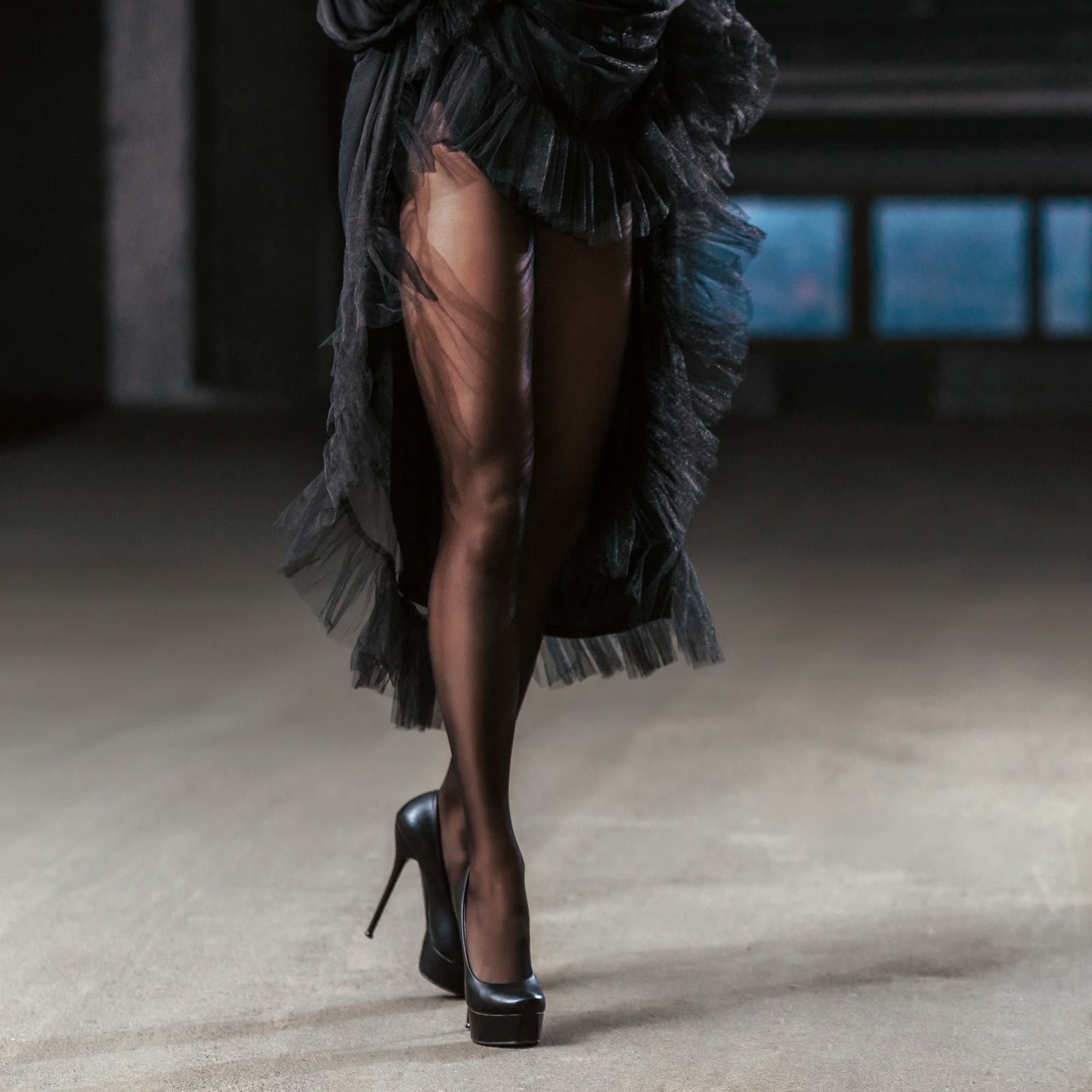
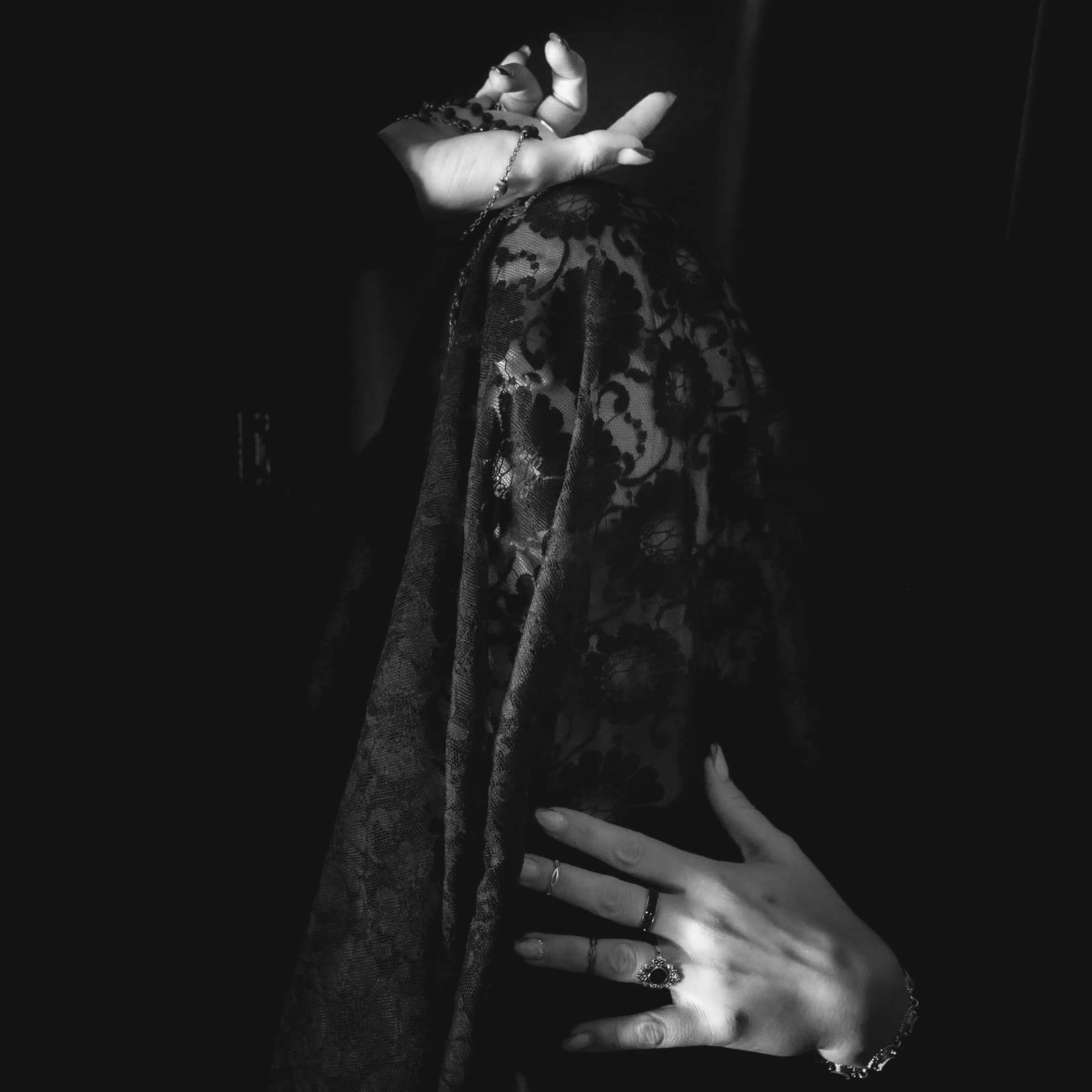
Chantilly is a fine bobbin lace originally made in the town of Chantilly near Paris. According to FIT, it has a delicate hexagonal net ground, half-stitch pattern areas and a thick, flat outline thread called a gimp that gives the motifs their crisp edges. It was usually worked in a dull black silk, though ivory versions exist. FIT also records that, around 1804, Napoleon revived the industry and decreed that only Alençon and Chantilly lace be worn at court.
Chantilly lace is soft, sheer and fluid. It drapes well, which makes it ideal for evening dresses, sleeves, overlays and lingerie-inspired tops. Today almost all Chantilly-style lace is machine-made on Leavers looms.
Guipure lace
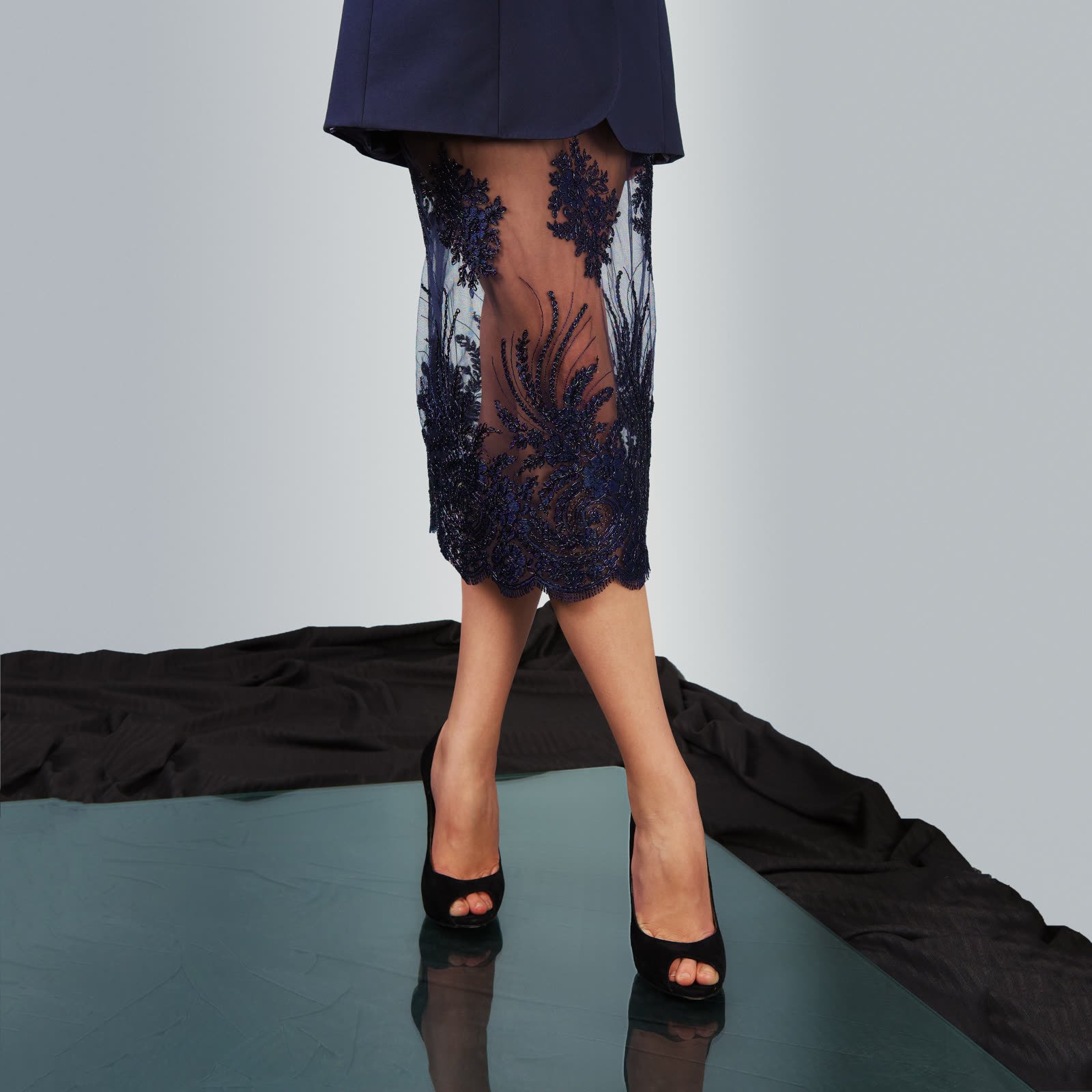
Guipure lace has no net ground at all. Its motifs are connected by small bars or plaits, so the pattern stands proud with open spaces between. FIT defines it as a continuous lace with no mesh ground, and lists Cluny, Maltese, Bedfordshire and Genoese among its varieties.
Because it is heavier and more three-dimensional, guipure holds its shape and suits structured dresses, skirts and daytime pieces. It has had several catwalk moments: FIT cites Pierpaolo Piccioli's all-over guipure gown for Valentino in 2013.
Alençon lace
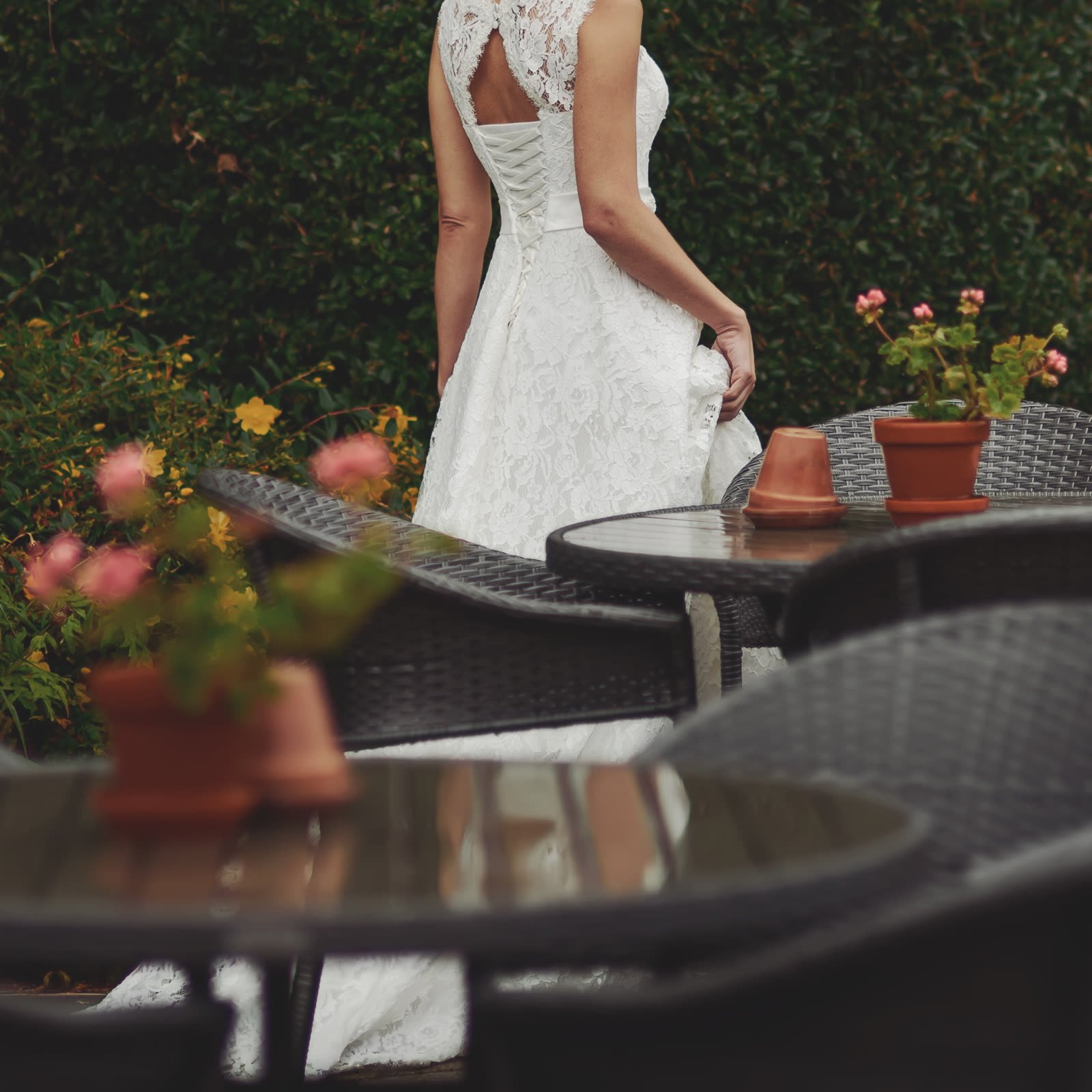
Alençon is the classic French needle lace, made in the Normandy town of the same name. It is so slow to produce that UNESCO, which added the craftsmanship of Alençon needle lace-making to its intangible heritage list in 2010, puts the work at around seven hours per square centimetre, with lace-makers training for seven to ten years. What you will find on modern garments is Alençon-style machine lace, often with a raised cord stitched around the motifs. It is a favourite for bridal gowns and formal eveningwear because the cord catches the light.
Leavers lace
Leavers is a method of making lace by machine. The V&A's record for a length of lace by the French firm Sophie Hallette notes that the company, founded in Caudry in 1887, still makes fine lace on English Leavers and bobbin looms imported in the nineteenth century. The record adds that one of the firm's archive patterns was used for the wedding dress Sarah Burton designed at Alexander McQueen for the Duchess of Cambridge, and was renamed "Kate's lace" in her honour.
Leavers lace is slow to produce and has a softness and depth that cheaper lace lacks. If a label mentions Calais or Caudry, it usually refers to this type.
Honiton lace
Honiton is an English bobbin lace from Devon. Like Brussels, it is a part lace, made as separate sprigs or motifs that are then joined, so the flowers can be shaped individually. It has long been associated with British royal weddings, and true handmade Honiton is now rare.
Stretch and crochet lace
Stretch lace adds elastane to a machine lace so it can be used for close-fitting tops and bodysuits. Crochet lace, worked with a hook, is chunkier and more casual; Irish crochet lace is the classic example.
A quick lace fabric guide: which to choose
Use this as a shortcut to matching the types of lace to what you need when shopping.
- For sheer, romantic evening pieces: Chantilly or a fine Leavers lace.
- For structured dresses and daywear: guipure or Cluny.
- For formal and bridal looks: corded Alençon-style lace.
- For fitted tops and layering: stretch lace.
- For a relaxed summer feel: crochet lace.
Lace sits alongside other evening fabrics in a capsule wardrobe, so it is worth knowing how it compares with crepe, jersey and chiffon. Our fabric guide to crepe, jersey and chiffon covers those.
How to recognise good-quality lace
Hold the lace up to the light. On good lace, the net ground is even and the motifs are clearly defined. Look at the edges: a scalloped edge that has been cut around the motif, known as an eyelash or scalloped finish, shows care in construction. Feel the hand: silk and fine cotton lace feel soft and supple, while cheaper lace can feel stiff or scratchy.
On a garment, check that the motifs are placed symmetrically and that seams are hidden or appliquéd so the pattern continues across them. To see how we work with lace in the studio, read about how we make our pieces.
Wearing and caring for different types of lace
Fine Chantilly and Leavers lace need gentle handling and are best hand washed or dry cleaned depending on the label. Guipure and crochet laces are sturdier but can catch on jewellery. Our guide on how to care for lace clothing explains washing, drying and storage for each type, and our main guide on how to wear lace shows how to style them.