Black Tie Optional: What to Wear as a Guest
What black tie optional really asks of a guest, and how to choose between a long gown, a cocktail dress and evening tailoring.
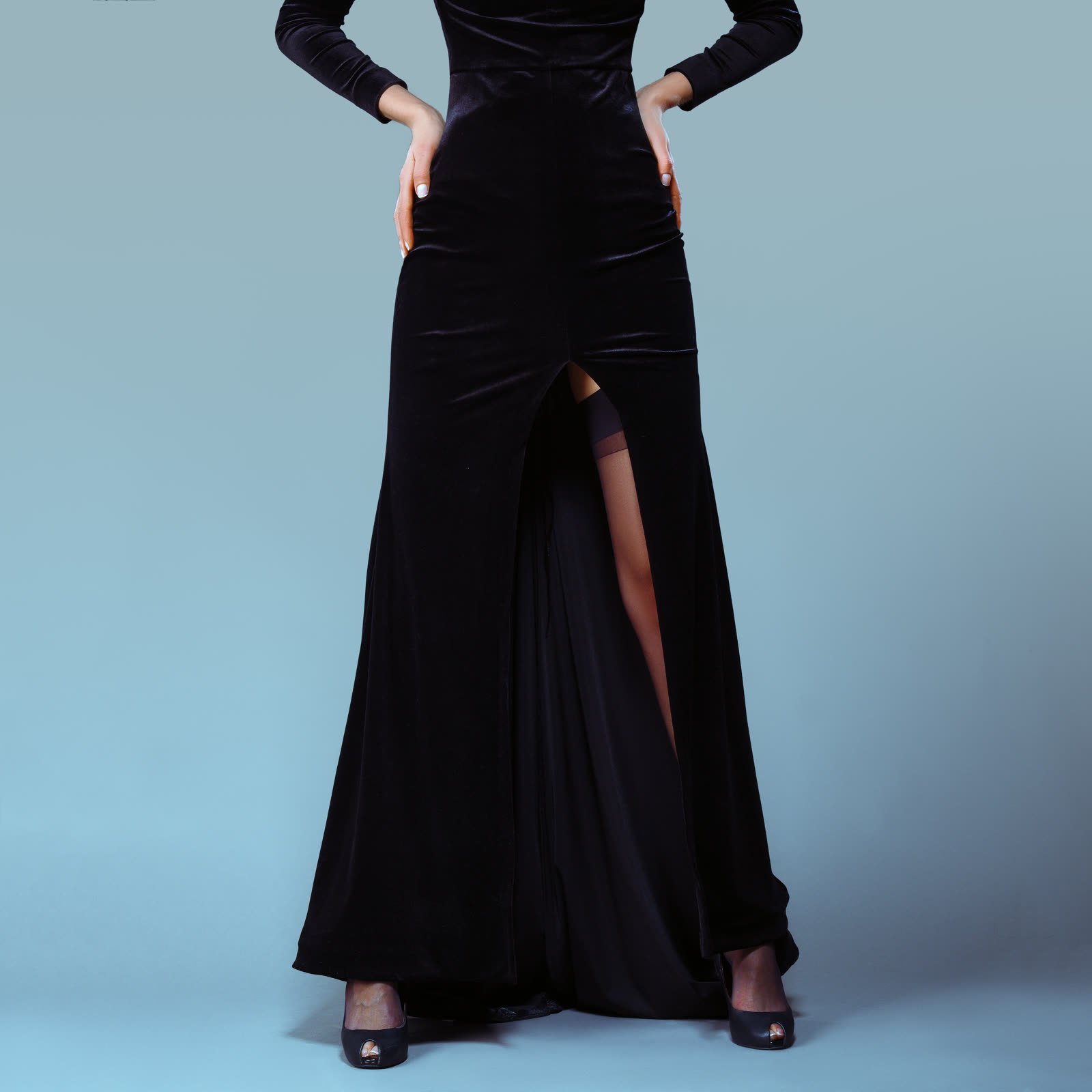
If an invitation says black tie optional, a floor-length gown is always correct, and a polished cocktail dress or wide-leg evening trousers are just as welcome. The hosts are dressing formally and inviting you to match them, while leaving room for something shorter or simpler. This guide to black tie optional women's dressing covers what works, what to avoid and how to make the call on the night.
What is black tie optional?
Black tie optional sits one step below black tie and one step above cocktail. In practice, the hosts and many guests will wear dinner jackets and long dresses, and anyone who prefers a dark suit or a knee-length dress can wear one without feeling out of place.
You will see the black tie optional dress code on invitations to evening weddings, charity galas, milestone birthdays and company dinners. The word "optional" loosens the formality only. Whatever you choose should still look deliberate, pressed and made for the evening.
If you are unsure of the level below, our guide to cocktail attire for women explains where shorter dresses and dressy separates fit in.
What black tie optional women's dressing looks like
The most useful starting point is the guidance for full black tie, since black tie optional takes those rules and loosens them slightly. Debrett's guide to events and dress codes says a long evening dress or skirt is usually best for black tie, with a fitted cocktail dress that falls just below the knee as the shorter alternative. It recommends evening fabrics such as silk, crepe and chiffon, and points out that wearing black does not on its own make an outfit formal enough.
Most black tie optional women's outfits sit in one of three camps, covered below. The same guide also flags two practical pitfalls: very tight red-carpet dresses and dramatic splits can be awkward at an event with a drinks reception followed by a seated dinner. Keep both in mind when you choose.
Long gowns
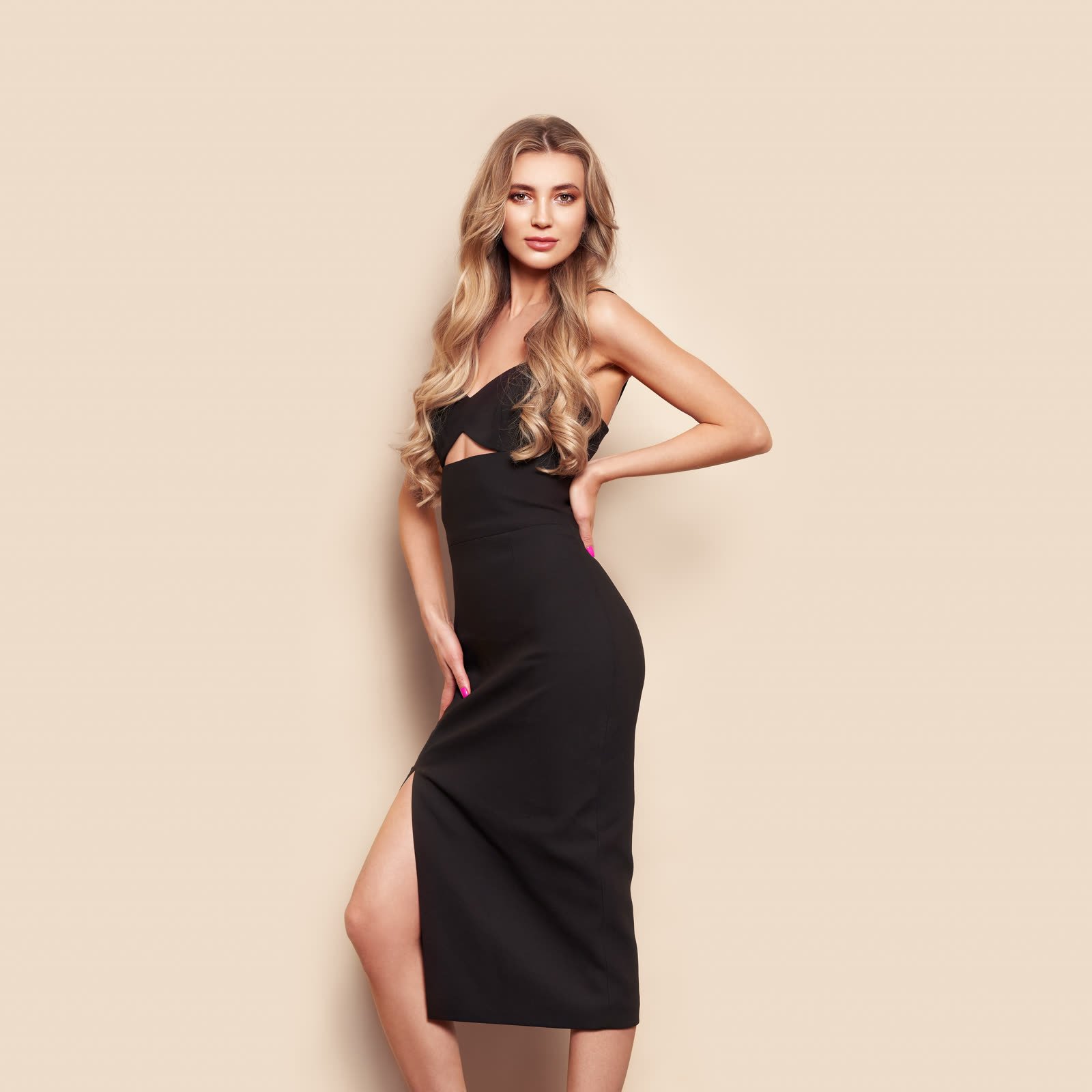
A floor-length or ankle-length gown is the safest choice and the one you will never regret. Look for clean lines and good fabric over heavy embellishment. A column of black crepe, a bias-cut satin slip with a jacket, or a lace gown with a lining all sit comfortably at the formal end of the room.
Midi and cocktail lengths
A midi dress in a substantial evening fabric works well, especially at a city venue. Keep the hem at or below the knee, choose a fabric with some weight or sheen, and let the accessories do the dressing up: fine heels, a small structured bag, proper earrings.
Evening trousers and tuxedo dressing
Trousers are entirely acceptable. Debrett's notes that evening trousers should be wide, in a palazzo cut, rather than tight. A women's dinner suit is another strong option. Yves Saint Laurent presented his first tuxedo for women in his autumn-winter 1966 haute couture collection, adapting a garment that, as the Musée Yves Saint Laurent Paris explains, had been reserved for men and was originally worn in the smoking room. Wear yours with a silk camisole or a sheer blouse and a sharp heel.
Formal evening wear: fabric and colour
With formal evening wear, fabric tells people how dressed up you are before the cut does. A simple shape in a rich material reads as formal; a complicated shape in a flat, casual fabric does not.
- Crepe: matte, fluid and forgiving, ideal for column dresses and trousers.
- Silk satin: has a soft sheen and drapes well, so it suits bias cuts and slip dresses.
- Velvet: deep and warm, perfect from October to February.
- Lace: reads as formal when it is lined and has a clear pattern, such as Chantilly or corded lace.
- Chiffon: light and airy, best layered or used for sleeves and overlays.
Black is always appropriate, and deep jewel tones such as burgundy, ink blue and bottle green look rich under evening light. Avoid white or ivory at a wedding unless the couple has asked for it.
How to choose between long and short
If you are still undecided, work through these questions in order.
- What time does it start? An event that begins after 7pm with dinner leans towards long.
- Where is it? A country house, a grand hotel ballroom or a livery hall suggests a gown. A restaurant or gallery suits a cocktail dress.
- What are the hosts wearing? At a wedding, the couple sets the tone. It is perfectly polite to ask.
- Will there be dancing? Choose a length you can move in, and a heel you can stand in for hours.
- What is the season? In winter, a long dress is warmer and more practical. Our guide to the winter wedding guest outfit covers coats, sleeves and fabrics for cold-weather celebrations.
When in doubt, go long. Being slightly more formal than the room is easier than being slightly less.
Shoes, coats and finishing details
The details are where a black tie optional look either comes together or falls flat.
Shoes: a slim heel, a pointed pump or an elegant strappy sandal. Velvet or satin shoes add polish. Block heels are wise for gardens and marquees.
Tights: Debrett's advises black or sheer for black tie. Sheer black looks smart with a black dress in winter.
Coat: an evening coat or a tailored long coat in a dark colour finishes the look on arrival. A puffer over a gown undoes all your work.
Jewellery: fine or costume jewellery are both fine. Match the neckline: a halter neck dress frames the shoulders, so skip the necklace and wear drop earrings instead; a high neck suits a cuff or statement ring.
Bag: a small clutch or a frame bag. Leave the tote in the cloakroom.
A black tie optional outfit, put together
For a long look, a lace halter gown in black, worn with fine drop earrings, a satin heel and a long wool coat, sits at exactly the right level of formality. If you prefer something shorter, a fitted lace dress with a sweetheart neckline and a modest slit, worn with sheer black tights, keeps the evening feel without the length.
For tailoring, try a sharp black blazer with lace at the cuffs over wide evening trousers and a silk camisole. It is formal, comfortable and easy to dance in. You can see how pieces like the Lace Halter Gown, the Sweetheart Lace-Slit Dress and the Lace-Cuff Blazer from Notte & Noir work for this dress code in the first collection, and join the list to hear when they launch.